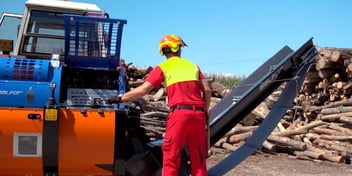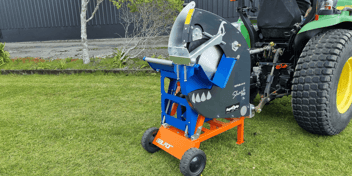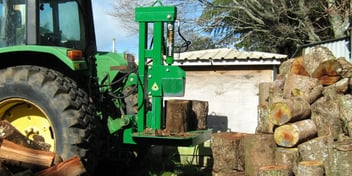

Hakki Pilke 38 Pro vs Continental 416 Joy: Best Firewood Processor?
When you're spending close to $50,000 on a firewood processor, you want clarity on what separates ...
Read more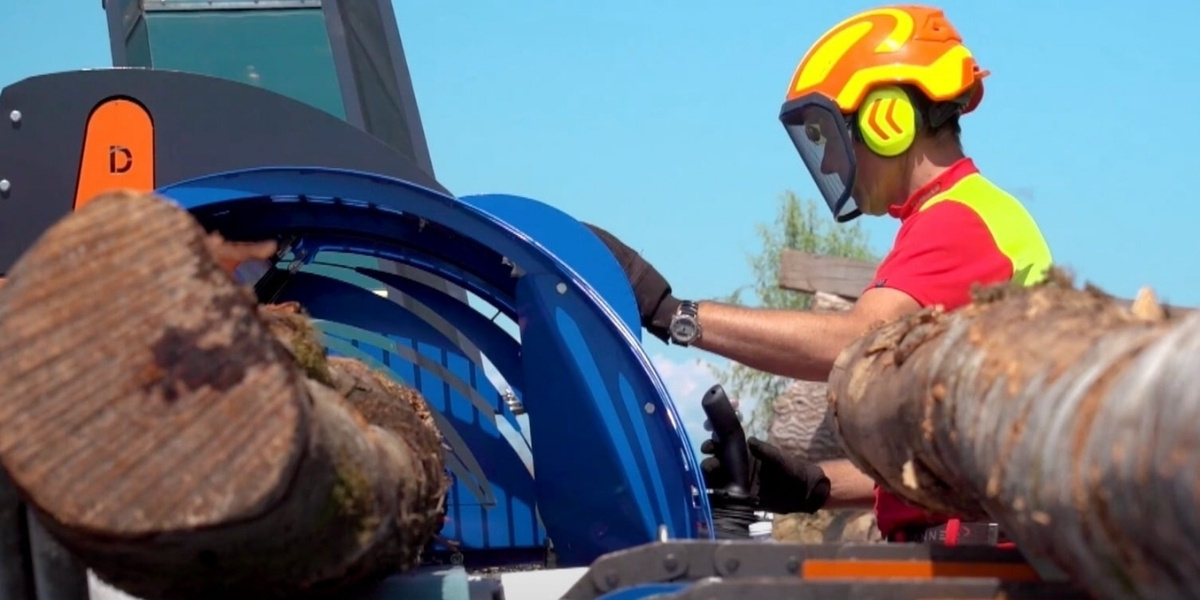
A firewood processor is one of those purchases where the brochure leaves the most useful information off the page. Spec sheets won't tell you how a machine handles a cranky old log on a wet July morning, or whether the conveyor will still be running smoothly after three winters of hard use.
Most of the questions worth asking aren't complicated, though they do take honest thought about how you actually run your operation. This firewood processor buying guide covers the decisions that shape every purchase: power source, throughput, log capacity, splitting force, and the difference between entry-level and commercial-grade kits.
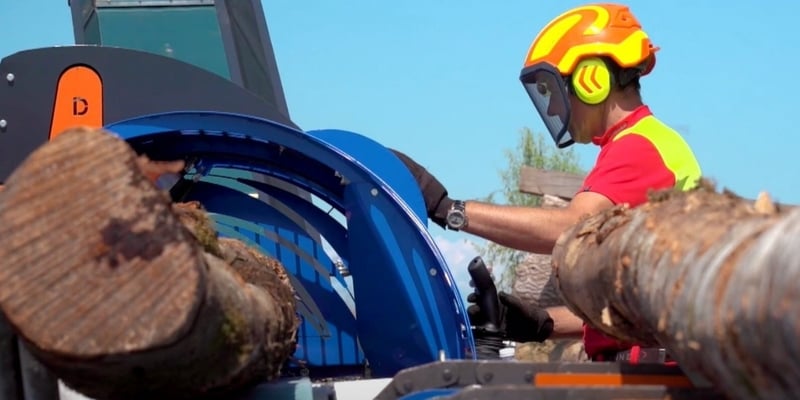
The first fork in the road is power. Tractor-mounted (PTO) processors run off a tractor's power take-off and hydraulics, which keeps the upfront cost down and gives you one less engine to maintain. If you've already got a capable tractor sitting idle for parts of the year, a PTO machine puts it back to work.
Self-powered processors come with their own engine (usually petrol or diesel). They cost more, but they free up your tractor for other jobs and tend to be easier to position in tight yards or on steeper sites. Contractors moving between properties often prefer them for the same reason.
If your tractor is sized right and isn't tied up during processing season, PTO is hard to beat on value. The flexibility argument starts winning out when your tractor is your most-used machine, or when you're regularly moving the processor between sites.
Throughput is where buyers most often overspecify or underspecify. Small processors comfortably handle two to four cubic metres an hour, with commercial machines pushing past ten once they're properly fed. The temptation is to buy for your biggest season ever, when the better question is what you'll average across a typical year.
If you're producing under 100 cubic metres a season, an entry-level processor will keep up. Running a commercial yard or contracting out is a different conversation: you want a machine that can sustain output across long days without overheating or wearing through components prematurely. That's the threshold where commercial-grade build quality starts paying for itself.
If you're still weighing whether you've outgrown a standalone splitter, our piece on when it's time to upgrade your log splitter covers the tipping points to watch for.

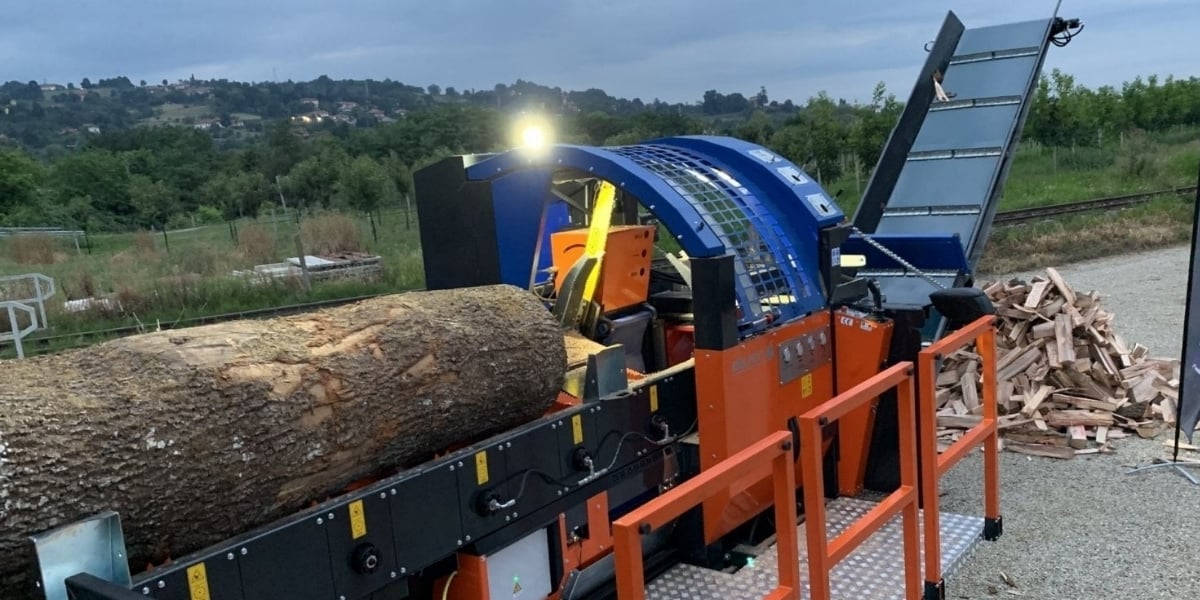
Every processor has a maximum log diameter and length, and these are the specs people most commonly overlook until it's too late. If your timber typically arrives at 35cm to 40cm, a machine rated to 30cm will jam constantly and slow you to a crawl. Paying for 50cm capacity when you're only processing smaller pine is money you didn't need to spend.
Most New Zealand operators land somewhere between 35cm and 45cm diameter, with log lengths in the 50cm to 60cm range. Look closely at your supply before you buy, ask whoever cuts your rounds what their average is, and build in a small margin for the occasional larger piece.
Splitting force, measured in tonnes, determines how cleanly the machine breaks through tough timber. Ten tonnes handles most softwoods and clean hardwoods without complaint. Once you're regularly splitting knotty eucalyptus, macrocarpa stumps, or anything with significant grain twist, that figure needs to climb. Twelve to sixteen tonnes covers the typical commercial range, and beyond that you're into specialist territory.
More force isn't automatically better. Heavier hydraulics burn more fuel and add weight to the machine, which matters if you're moving it regularly. Match the force to the timber you're actually processing rather than what looks impressive on the spec sheet.
The difference between an entry-level firewood machine and a commercial-grade one shows up in places you don't see on the brochure: bearing quality, conveyor construction, hydraulic component sizing, and how the machine holds up after 500 hours of hard use. An entry-level processor will do everything a commercial machine does, just slower and with less margin for error.
If you're choosing between two specific models in the commercial mid-range, our comparison of the Hakki Pilke 38 Pro vs Continental 416 Joy breaks down where each one earns its keep.

Working out how to choose a firewood processor comes down to lining up four things: your annual volume, your typical log size, the timber types you process, and the labour you have available. Get those right, and the shortlist usually narrows itself to two or three machines.
Identifying the best firewood processor for farms NZ operators run depends entirely on the work in front of you. A lifestyle block doing twenty cubic metres a season has nothing in common with a commercial yard pushing 1,500, so being specific about your numbers makes the right answer much easier to see.
AgriQuip's firewood processor NZ range covers options from compact PTO units through to high-output commercial machines, backed by technical advice from a team that knows the realities of running this gear on New Zealand properties.
There's no shortcut to picking the right machine, though lining up volume, log size, timber type, and labour takes most of the guesswork out of the shortlist. From there, the conversation moves to specifics: which model handles your log mix, what power configuration suits your yard, and where the value sits over a five or ten-year horizon.
Working through the specs on your own is useful, and matching them to your operation is where most buyers want a hand. Download the Firewood Solutions Guide for a practical breakdown of equipment combinations, daily output estimates, and setup guidance organised by operation size.