
Why Using Your Hay Mower for Topping is Costing You
Hay mowers and toppers might both cut grass, but using one in place of the other is costing you ...
Read more
Mid-winter is a strange time for pasture decisions. The grass has all but stopped growing, the ground won't take much weight, and yet those rank, clumpy paddocks left over from autumn are still sitting there begging to be tidied up.
That's where a lot of New Zealand farmers get stuck. Topping in the middle of winter feels productive, but do it at the wrong moment and you can set a paddock back weeks.
So should you mow in winter, or wait it out? Here's how to tell the difference.
Winter pasture topping can improve pasture quality, reduce weeds and encourage more even spring growth, but only when conditions are right. Avoid mowing wet paddocks, frosty conditions or already short pasture. For most New Zealand farms, winter topping should be used selectively rather than as a routine management practice.
Take a look at the full range of mowers and toppers to find a machine that suits your operation.

Yes, winter pasture topping can be beneficial when paddocks have become rank, uneven, or weed-infested. That said, it should only be carried out when ground conditions are suitable and enough pasture cover remains for livestock and recovery.
The trick is treating it as a targeted job rather than a routine one. A quick top over a clumpy, uneven paddock can reset it nicely for spring.
Mowing healthy pasture that's grazing well, on the other hand, often does more harm than good. In winter, every decision comes back to how much growth you can afford to lose and how quickly the paddock will bounce back.
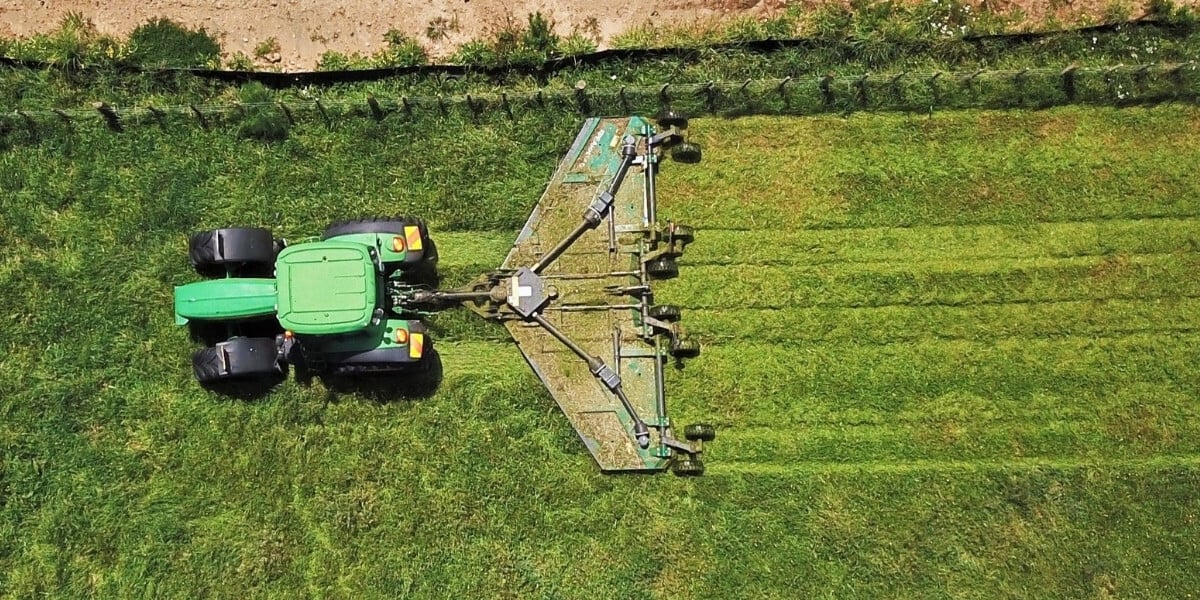
The main benefits are more even pastures, better feed quality, and a head start on weed control before the spring flush. Topping evens out the clumps that stock leaves behind, creating a more even pasture and encouraging fresh, leafy regrowth.
It also helps open up the pasture canopy, allowing more light into the sward and improving the quality of the regrowth.
Additionally, it helps stock graze more uniformly, since animals tend to avoid long, stemmy patches and hammer the fresh growth instead. Come spring, an evenly topped paddock usually greens up more consistently than one left rank and patchy.
Avoid topping when the ground is waterlogged, when pasture cover is already low, or when heavy rain or a hard frost is on the way. Under those conditions, you risk doing more damage than good.
Wet, soft ground and machinery are a poor mix. You'll pug the surface, tear up root systems, and leave ruts that linger well into spring.
Topping too low or too late also strips the plant of the cover it needs to protect its crown through cold snaps, which slows recovery right when you want the opposite. If a paddock is short and grazing well already, there's rarely much to gain by mowing it.
Yes, to a degree. Topping knocks weeds back before they get the chance to flower and set seed, which reduces the seed bank building up in your paddocks for next season.
It works best on tall, soft-stemmed weeds like thistles and ragwort caught before they mature. Cutting them low weakens the plant and slows its spread, though topping on its own won't see off anything with a stubborn root system.
Think of it as one tool alongside grazing management and spot spraying rather than a fix in itself. Timing helps too: catching weeds while they're actively growing gives the best knock-back.
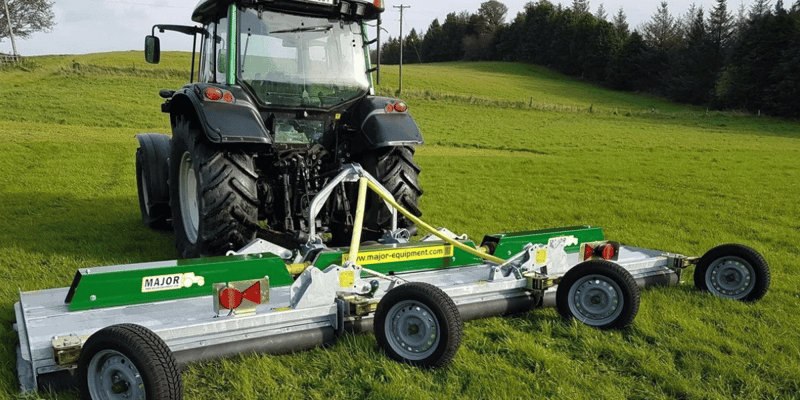
For winter work, a flail mower usually has the edge on wet, rank, or trashy pasture, while a rotary topper is faster and better suited to larger, drier paddocks. Both have their place; it comes down to your conditions and the size of the job.
A flail mower cuts and mulches finely, spreading residue evenly so it breaks down quickly rather than smothering the pasture underneath. That fine chop is a genuine advantage in damp winter conditions.
A rotary topper, by contrast, covers ground quickly and handles heavier, taller growth with less fuss and less maintenance, which makes it the practical choice across bigger blocks where speed counts.
Before you head out, run through these five points:
Tick all five and you can top with confidence. Miss one, and it's usually worth holding off for a better window.
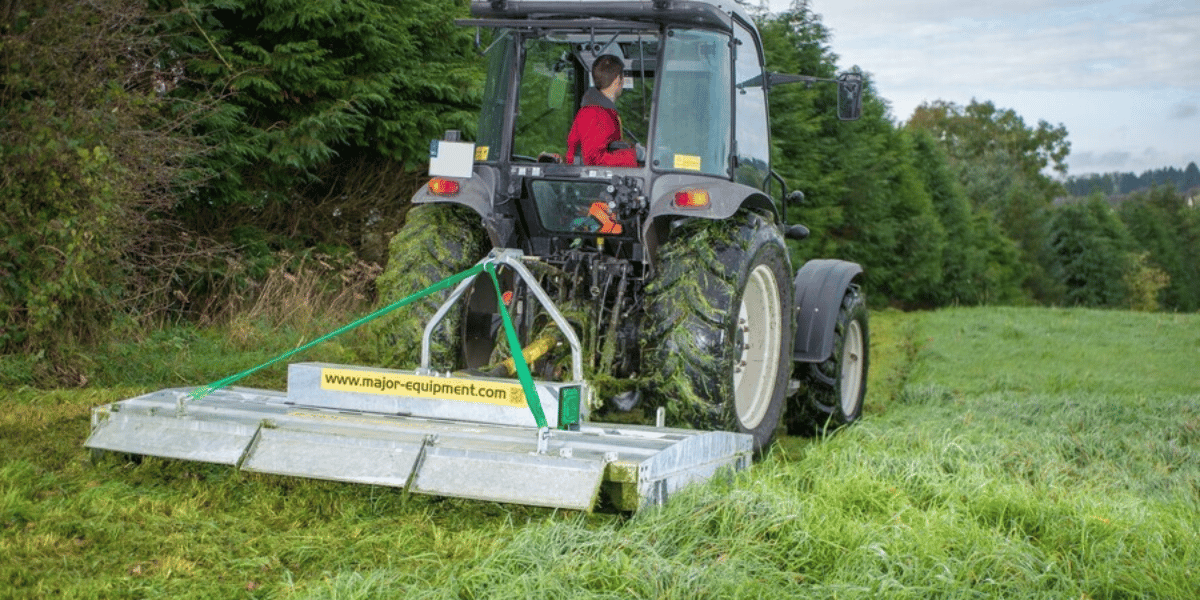
Winter topping pays off when you're selective about it: the right paddock, a firm enough window, and a machine that suits the conditions. Line those three up and the rest can wait until the ground and the weather cooperate.
If you've decided winter topping is the right move, the next step is choosing a mower that matches your paddock conditions, tractor size and workload. Take our free Mower Selector tool to find the perfect equipment for your needs, or contact our team for advice on the best fit for your operation.