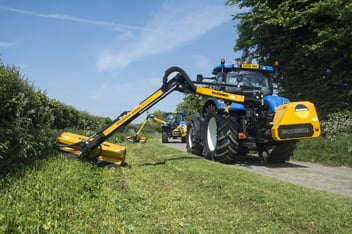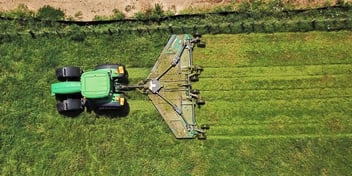
The Major Mower line-up: Take your pick!
One of the most crucial aspects of any agricultural and public space work is grounds maintenance. ...
Read more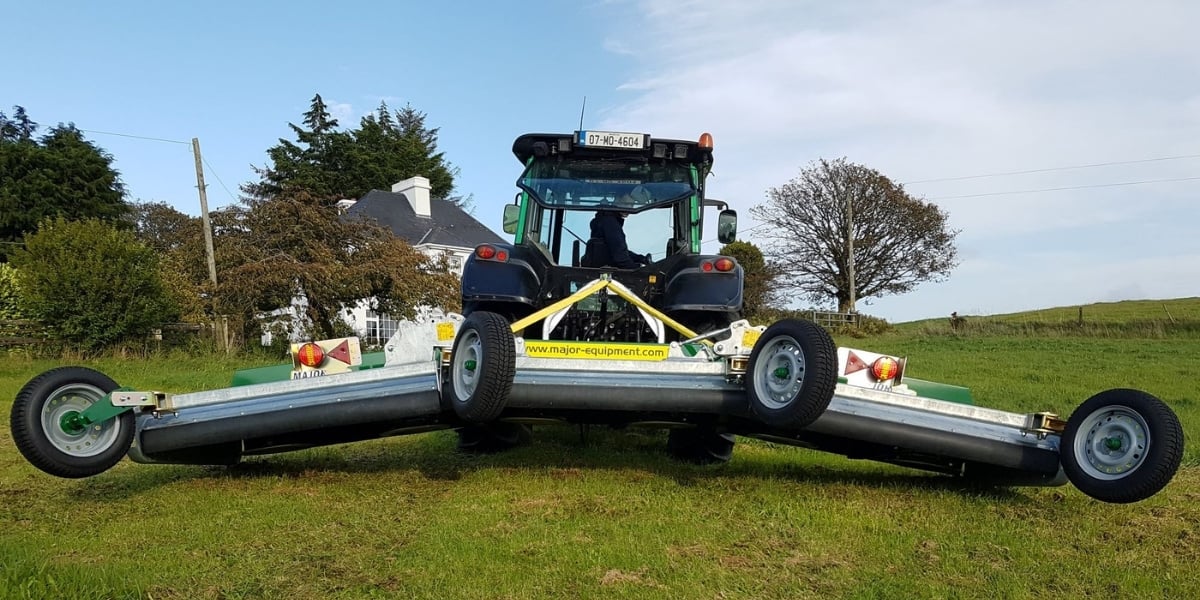
A tractor mower is one of those machines you don't think much about until it starts letting you down. It cuts, it tops, it keeps your pasture in check, and for years it just gets on with the job.
Knowing when to repair and when to replace isn't always obvious. A good machine can run for a long time with the right care, but there comes a point where the repair bills, the fuel use and the patchy cut start costing you more than a newer mower would.
You should consider replacing your tractor mower when repeated repairs, poor cutting performance, rising fuel use, changing workload and increasing downtime are costing more than the machine is worth.
The first thing most people notice is the finish. A mower in good condition leaves an even cut right across the paddock. When something's wrong, you start seeing missed strips, ragged edges and grass that lies flat instead of being cut cleanly.
Uneven cutting isn't only about looks, either. Patchy topping lets weeds seed and get away on you, leaves clumps of residue sitting on the pasture, and makes the whole block harder to manage through the season.
Usually the cause is wear. Blunt or bent blades, tired gearboxes, worn spindle bearings or a deck that's knocked out of shape all pull the finish apart. Some of that you can put right with sharpening, new blades and a height adjustment.
If you've sharpened, replaced blades and set the height correctly and the cut still isn't right, the machine itself is likely past its best. For a tidy result on parks or estates, a finishing mower will always beat an ageing topper being asked to do a job it wasn't built for.
A tractor mower that's on its way out often makes your tractor do more work than it should. If the machine feels like it's labouring through cuts it once handled comfortably, the mower is usually the reason rather than the tractor.
Worn bearings, seized components and a poorly running driveline all add drag. So do blunt blades, which tear at grass instead of slicing through it and force the engine to work harder for a worse result.
That extra effort shows up on your fuel bill. Over a full season of topping it adds up, and belt-driven mowers lose more power to the transmission than a direct-drive machine does, so you're paying for wear as much as for work.
A newer machine can run more efficiently, too. Modern rotary mowers and shredders are designed to move more grass for less power, so a replacement can claw back some of that fuel cost over a season.
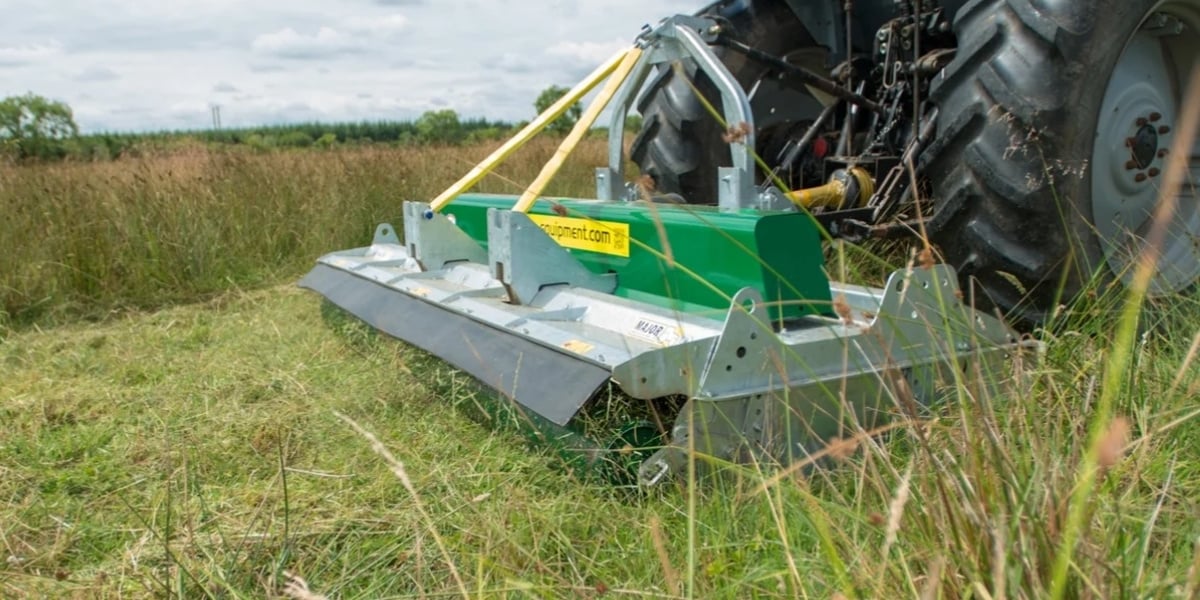
Properties rarely stay the same for long. You might have taken on more land, moved into heavier pasture, or started topping blocks that used to be left alone. A mower that was right for your place five years ago can quietly become the wrong tool for the job.
An undersized or under-built machine struggles with work it wasn't designed for. It wears out faster, needs more frequent repairs and leaves a poorer finish, all while taking longer to get through the same area.
If your workload has grown, a wider or heavier mower could cover more ground in each pass and save you real hours across a season. The right cutting width also means fewer overlaps and less doubling back, which is easier on both fuel and time.
It can go the other way too. If you've scaled back, or you now want a neater finish around a lifestyle block or established grounds, a smaller or more precise machine may suit you far better than the heavy old topper sitting in the shed.
Every machine needs maintenance, but there's a tipping point. When you're replacing parts more often, waiting on components and watching the repair invoices climb, the cost of keeping an old mower going can quietly overtake the cost of a new one.
Belt-driven mowers are a common culprit. Belts and pulleys wear, slip and need regular replacement, and each failure means downtime as well as the part itself. Gear-driven and direct-drive machines tend to need far less attention over their life.
Build quality matters too. Rust and corrosion drive a surprising amount of repair work, which is why hot-dip galvanised construction holds up so much better in the paddock than a painted finish that chips and lets moisture in.
The honest test is to add up what you've spent on the mower over the past year or two. Once annual repairs start creeping towards the cost of finance on a new machine, keeping the old one running is usually the more expensive choice. If you're considering a new machine, check out AgriQuip's flexible finance options.

Downtime is the sign that hurts most, because it lands right when you need the machine. A breakdown mid-season throws out your whole schedule and leaves you either waiting on parts or paying someone else to finish the job.
The knock-on effects add up quickly. Pasture keeps growing while the mower sits idle, weeds get their chance, and work you'd planned around one dry window slips into the next.
Parts availability is part of the picture as well. As a machine gets older, components get harder to source, and a repair that should take a day can stretch into a week while you track down what you need.
The odd repair is normal on any farm. A pattern of repeated breakdowns, though, with parts getting scarcer and jobs constantly pushed back, is a fair signal that the machine has reached the end of its working life.
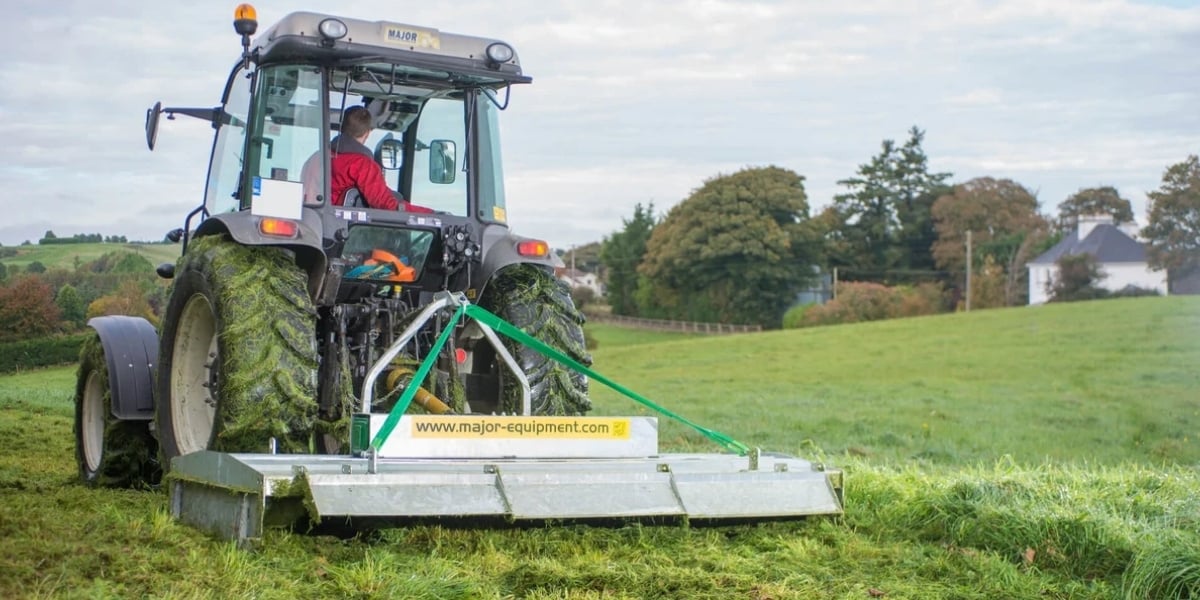
Replacing your tractor mower is an opportunity to choose a machine that better matches your property, tractor and workload. Before you buy, consider what you're cutting, how much ground you need to cover, your tractor's horsepower and the type of finish you need.
Start with the conditions you're working in and the finish you want. Toppers and rotary mowers are suited to regular pasture and weed control, while slashers and heavy-duty shredders are better suited to rougher growth, scrub and overgrown areas. If you're maintaining parks, estates or areas where appearance matters, a finishing mower is designed to deliver a cleaner, more precise cut.
The right mower should match the job rather than simply replacing your old machine with something similar. Choosing a machine that's too light for the conditions can lead to poor results and increased wear, while a machine that's heavier than necessary may add cost and capacity you don't need.
Take the guesswork out of choosing a mower with our free Mower Selector tool. Answer some questions, and we’ll show the best-fit mowers for your needs.

Your tractor's horsepower needs to match the mower you're considering. The required horsepower depends on the mower's cutting width, design and the conditions you'll be working in. Smaller toppers and slashers may suit lower-horsepower tractors, while wider or heavy-duty machines generally require more power.
Always check the manufacturer's recommended horsepower range before choosing a mower. If you're replacing an older machine, don't assume your existing mower's requirements will be the same as a newer or wider model.
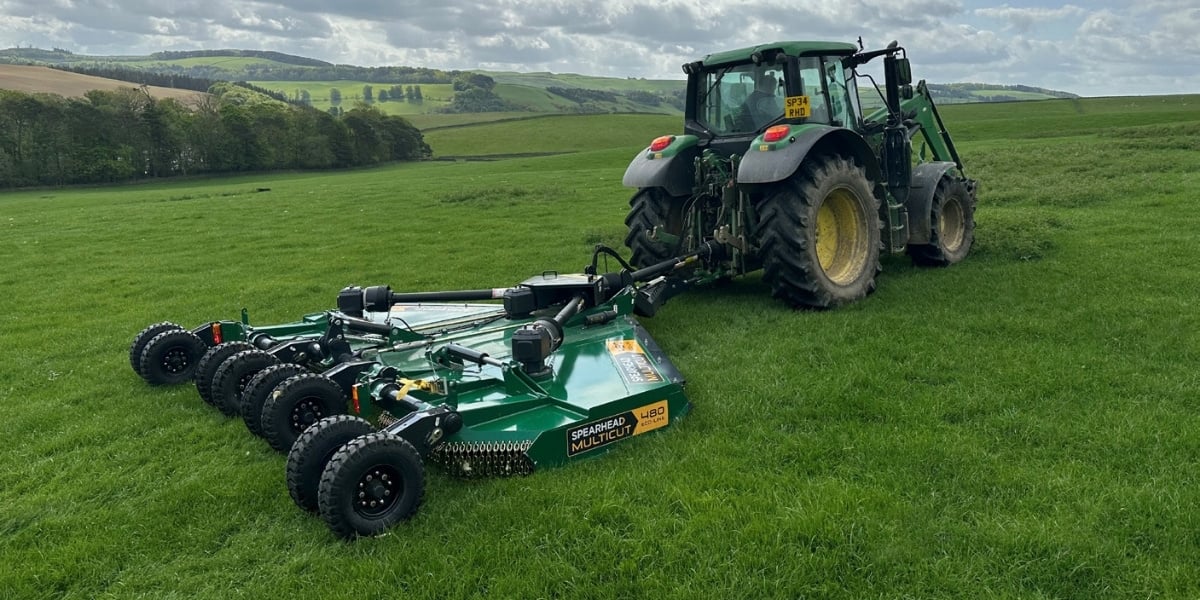
For rough pasture, heavy weeds, scrub and overgrown areas, look for a mower built for cutting power and durability rather than a fine finish. A heavy-duty topper or shredder can be a better choice where the mower needs to handle dense or rough vegetation regularly.
A finishing mower, by comparison, is designed for a cleaner cut and isn't the right choice for heavy scrub or conditions that could damage a lighter machine. Matching the mower to the conditions will help you avoid asking the machine to do a job it wasn't designed for.
Pasture toppers and slashers can both be used for pasture and weed control, but they're designed with different applications in mind. A pasture topper is generally suited to regular topping across larger areas, while a slasher is better suited to smaller or rougher blocks where heavier vegetation needs to be cleared.
If you're regularly maintaining large areas of pasture, a wider topper may help you cover more ground efficiently. If you're dealing with overgrown areas, rushes, weeds or light scrub, a slasher may be the more appropriate option.
There is no fixed replacement age for a tractor mower. A well-maintained machine can last for many years, so replacement should be based on its condition, reliability and suitability for your work rather than age alone.
If your mower is still cutting cleanly, running reliably and handling your workload, there's no reason to replace it simply because it's old. But if repair costs, downtime, poor cutting performance or changing property requirements are becoming recurring problems, it's worth comparing the cost of keeping the old machine with the benefits of a replacement.
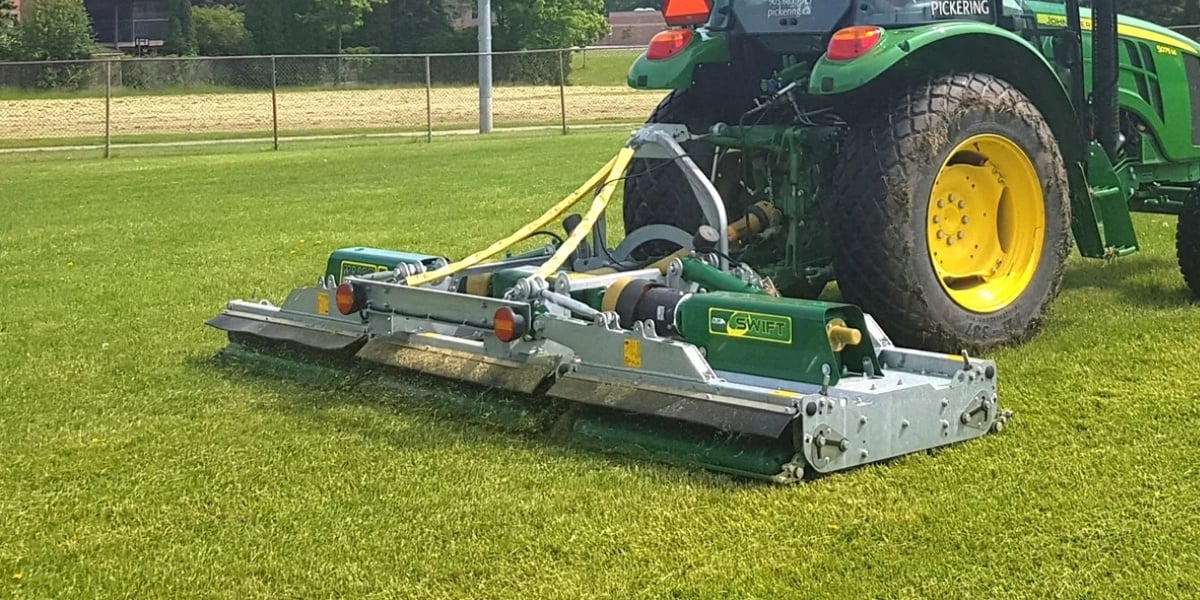
Rather than swapping an old machine for something similar, it's worth asking whether a newer mower could cut your maintenance, improve the finish and help you cover more ground each season.
When comparing mowers, look for features such as:
These are the details that separate a mower you'll fight with from one that just gets on with the job. The Major range is built with them in mind, with galvanised construction, gear-driven components and models to suit everything from small blocks to large-scale topping.
Use this as a quick guide to match a Major mower to the job:
|
If you need to... |
Consider... |
|
Top pasture and control weeds |
|
|
Clear rough pasture, scrub and stubble |
|
|
Maintain smaller or overgrown blocks |
|
|
Get a lawn-quality finish on parks and estates |
|
|
Cut fairways, turf farms and sports fields |
|
|
Cover large areas of pasture topping |
|
|
Cover large areas like parks and reserves |
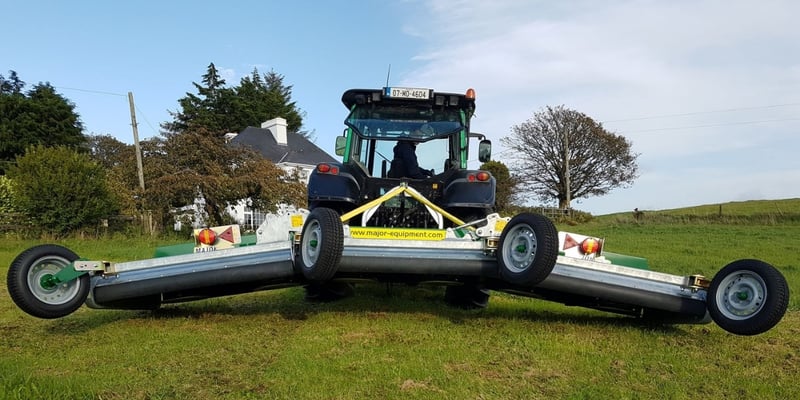
Major Swift Roller Mower (3PL or Trailed) or Tri-deck Mower |
Replacing a tractor mower is rarely about one single fault. It's the pattern (the climbing costs, the patchy cut, the downtime) that tells you a machine has done its time, and a better-suited one would pay for itself.
If you're weighing up your options, the Major range covers everything from light topping to heavy scrub clearing. Download the Major Mowers brochure to browse the range and find the machine that fits your property and workload.

.jpg?width=352&name=Major%20Swift%20Roller%20Mower%20(trailed).jpg)